
The psychological effects of gambling Understanding the mind with Mission Uncrossable
The psychological effects of gambling Understanding the mind with Mission Uncrossable
The Thrill of Anticipation
The psychological landscape of gambling is often marked by the thrill of anticipation. This feeling is particularly evident in games like Mission Uncrossable, where players place bets and watch as multipliers rise. The emotional rush generated by waiting for a potential win can create a state of euphoria, engaging the brain’s reward system. This reaction is similar to other forms of high-stakes risk-taking, where uncertainty heightens excitement.
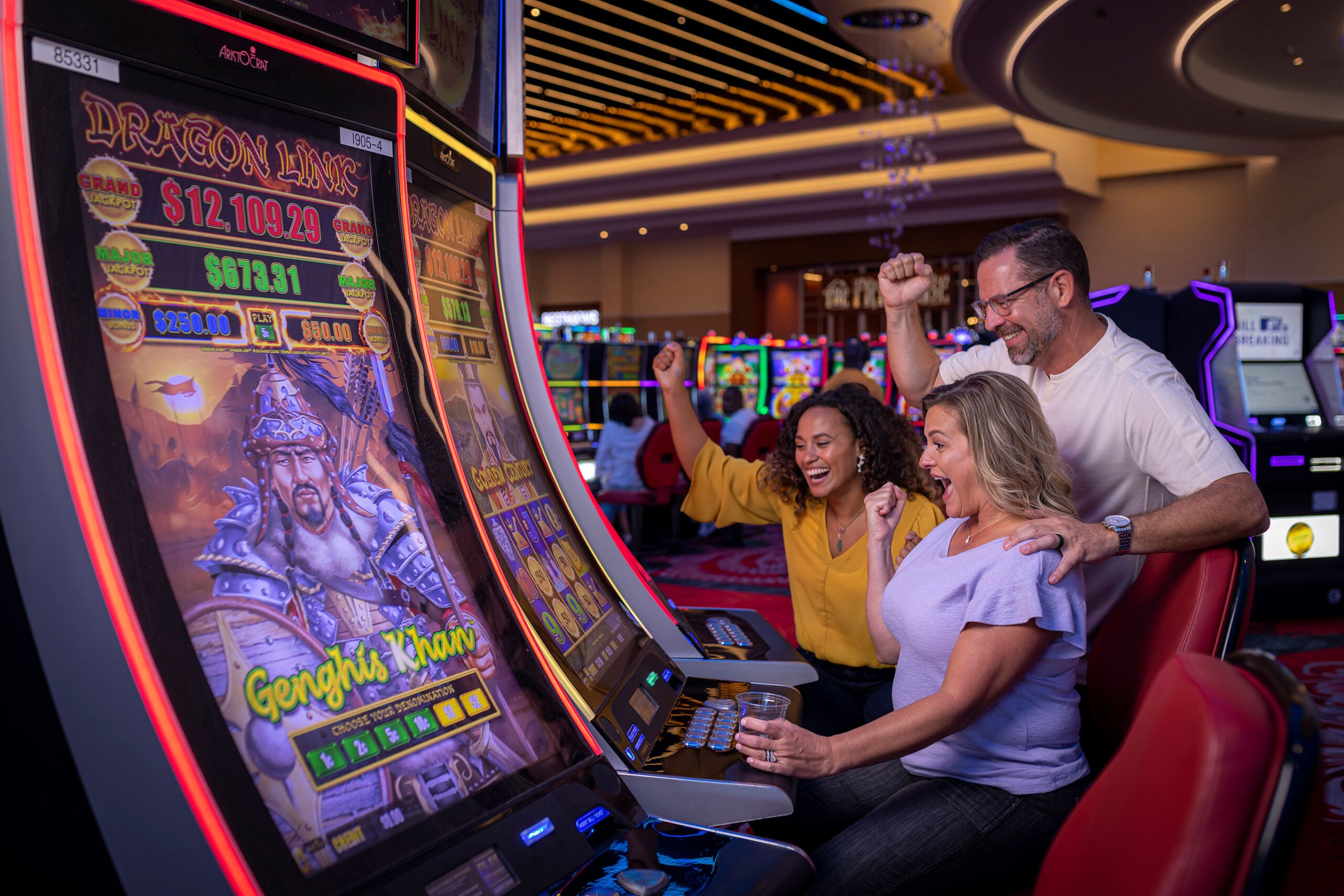
This anticipation can lead to an addictive cycle, as players seek to replicate the adrenaline rush. The brain releases dopamine during moments of expected reward, reinforcing the desire to gamble. Understanding this mechanism is crucial for players, as it can lead to compulsive gambling behaviors when left unchecked.
The Impact of Loss
While the thrill of winning captures attention, the psychological effects of losing in gambling are profound and often detrimental. Players may experience feelings of frustration, anger, and even depression after losing bets, especially in high-pressure environments like casino settings. This emotional turmoil can trigger a desire to chase losses, leading to increased risk-taking and financial consequences.
Moreover, losses can significantly impact self-esteem. Players may internalize their outcomes, believing that their worth is tied to their success in gambling. This mindset can create a vicious cycle where the fear of failure drives them to gamble more, further exacerbating emotional distress.
The Social Dynamics of Gambling
Gambling often occurs within social settings, which adds another layer to its psychological effects. Engaging with others in games like Mission Uncrossable can enhance the overall experience, fostering camaraderie and shared excitement. However, it can also lead to peer pressure and social comparison, where players feel compelled to gamble beyond their means to maintain social status.
These social interactions can create a false sense of community, where individuals bond over shared gambling experiences. Yet, it can also mask the negative consequences of gambling, as players may feel validated by others’ participation. This complexity highlights the need for awareness of both the positive and negative aspects of social gambling.
Managing Risk and Decision-Making
Mission Uncrossable requires strategic thinking and risk management, which can significantly influence a player’s psychological state. The pressure to make quick decisions in this fast-paced environment challenges cognitive functions, forcing players to balance intuition and logic. Understanding this dynamic is essential for players aiming to optimize their gambling experience without succumbing to negative psychological effects.
Effective decision-making can empower players, providing them with a sense of control in an inherently uncertain environment. However, the allure of high multipliers can lead to impulsive choices, which may overshadow rational thinking. Players should cultivate awareness of their decision-making processes to mitigate these risks and enhance their gaming experience.

Explore Mission Uncrossable
Mission Uncrossable is more than just a game; it represents an intersection of psychology and entertainment. By engaging with its innovative mechanics, players can gain insights into their own decision-making processes and emotional responses. The game encourages players to navigate both strategy and risk, providing a unique platform for self-discovery in a gaming context.
As players immerse themselves in this thrilling experience, they have the opportunity to reflect on their behaviors and emotions. Understanding the psychological effects of gambling through games like Mission Uncrossable can lead to healthier gaming habits and a more enjoyable experience overall.