
Understanding the psychology behind gambling behavior in casinos
Understanding the psychology behind gambling behavior in casinos
The Allure of Gambling: Why People Are Drawn In
The psychology of gambling is deeply rooted in human behavior, often characterized by the thrill of risk and the hope of reward. Many players are attracted to casinos due to the enticing environment filled with bright lights and enticing sounds, which create an atmosphere of excitement. In today’s digital age, platforms like Hb 88 provide an array of gaming experiences that blend technology with traditional gameplay. This sensory overload can lead to heightened emotions, encouraging individuals to engage in gambling activities. The anticipation of winning or losing can trigger a rush of adrenaline, making the experience not just about the game but about the emotional highs and lows associated with it.
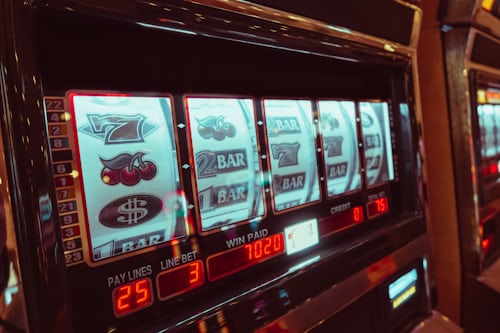
Moreover, cognitive biases, such as the illusion of control, play a significant role in gambling behavior. Players often believe they have some influence over random outcomes, which can lead them to gamble more frequently. For instance, a player may attribute their success to a specific strategy or a particular slot machine, reinforcing their belief in personal control and increasing their likelihood of returning. This cognitive distortion can trap individuals in a cycle of repeated gambling, leading to both financial and emotional challenges.
The social aspect of gambling is another compelling factor. Many people enjoy visiting casinos in groups, creating a sense of camaraderie and shared experience. This social interaction can enhance the overall enjoyment of gambling, as players celebrate wins together or commiserate over losses. The presence of friends can lower inhibitions and encourage risky behavior, which may lead to larger bets and longer gaming sessions. Understanding these social dynamics can help unravel why many individuals are drawn to casinos and the thrill of chance.
The Role of Emotions in Gambling Decisions
Emotions significantly influence gambling decisions, often driving individuals to make choices that may not align with their rational judgment. When players experience positive emotions, such as excitement from a win, they may be more likely to continue gambling, believing their luck will persist. Conversely, negative emotions, such as frustration after a loss, can lead to reckless behavior, where players try to recover their losses quickly, often resulting in further financial strain. This emotional rollercoaster is a key element in understanding why gambling can become compulsive.
Research shows that gamblers are likely to take more risks when they are in a positive emotional state, as they feel invincible and believe they can replicate their success. The concept of “chasing losses” is prevalent in this context; players attempt to win back what they have lost, often spiraling into deeper gambling behaviors. This cycle is perpetuated by the brain’s reward system, which releases dopamine, reinforcing the gambling behavior and leading to further engagement in the activity.
Furthermore, the emotional connection to gambling can create a form of escapism for many players. Life’s stresses and daily challenges can push individuals toward gambling as a way to cope. The casino environment, with its immersive atmosphere, offers an escape from reality, allowing players to temporarily forget their problems. This psychological refuge can lead to a reliance on gambling as a source of comfort, complicating the relationship between the individual and the game.
The Impact of Technology on Gambling Behavior
With the advent of technology, the landscape of gambling has transformed dramatically. Online casinos and mobile gaming platforms have made gambling more accessible than ever. This convenience can lead to increased gambling frequency, as players can engage in their favorite games from anywhere at any time. The ability to gamble without the social scrutiny found in physical casinos can also encourage riskier behavior, as individuals may feel more liberated when betting online.
Technological advancements have also introduced new forms of gambling, such as live dealer games and virtual reality experiences. These innovations aim to replicate the excitement of a physical casino while providing users with the comfort of playing from their homes. The immersive nature of these platforms can heighten emotional engagement, making it easier for individuals to lose track of time and money. This fusion of technology and gambling creates a powerful synergy that can further entrench users in compulsive behaviors.
Additionally, online casinos often use behavioral data to tailor promotions and bonuses to individual players. This personalized marketing can create a more engaging experience but can also lead to increased gambling as players feel valued and recognized. The use of targeted advertisements can intensify the urge to gamble, especially if a player is already in a vulnerable emotional state. Understanding how technology shapes gambling behavior is crucial for both players and operators in fostering a more responsible gambling environment.
Addiction and Responsible Gambling Practices
The fine line between casual gambling and addiction is an important aspect of the psychological understanding of gambling behavior. Gambling addiction, often classified as a behavioral addiction, can have devastating effects on individuals and their families. The thrill associated with gambling can quickly turn into a compulsion, leading to financial ruin, relationship breakdowns, and mental health issues. Recognizing the signs of addiction is essential for early intervention and support.
Many casinos and online platforms are increasingly focused on responsible gambling practices. This includes offering self-exclusion tools, setting deposit limits, and providing resources for those who may struggle with gambling-related issues. Additionally, awareness campaigns aim to educate players about the risks of gambling and the importance of maintaining a healthy relationship with gaming. By fostering a culture of responsibility, the gambling industry can help mitigate the impact of addiction.
Support networks play a vital role in addressing gambling addiction. Organizations dedicated to helping those affected by problem gambling offer resources and counseling to guide individuals toward recovery. These efforts are crucial for creating a safer gambling environment, emphasizing that while gambling can be a form of entertainment, it must be approached with caution and awareness of its potential risks.

Hb88 Casino: A Safe and Responsible Gaming Environment
Hb88 Casino exemplifies a modern approach to online gaming, prioritizing player safety and responsible gambling. With a wide array of games, including online pokies and live dealer experiences, Hb88 creates an engaging platform while implementing measures to protect its users. The casino offers user-friendly tools for players to manage their gambling habits, such as setting limits on deposits and playtime, ensuring that gaming remains a fun and entertaining activity.
Committed to transparency and security, Hb88 Casino utilizes advanced technology to safeguard players’ data and transactions. This commitment to player safety extends to their dedicated customer support team, which is available to assist with any inquiries or concerns. By fostering a supportive environment, Hb88 encourages players to engage with their platform responsibly, ensuring that the thrill of gaming does not compromise their well-being.
Ultimately, understanding the psychology behind gambling behavior in casinos sheds light on the complexities of this multifaceted activity. Through a combination of emotional engagement, technological advancements, and responsible practices, players can enjoy the excitement of gambling while remaining aware of its potential risks. Hb88 Casino stands as a prime example of how the gaming industry can adapt to promote safe and enjoyable experiences for all players.